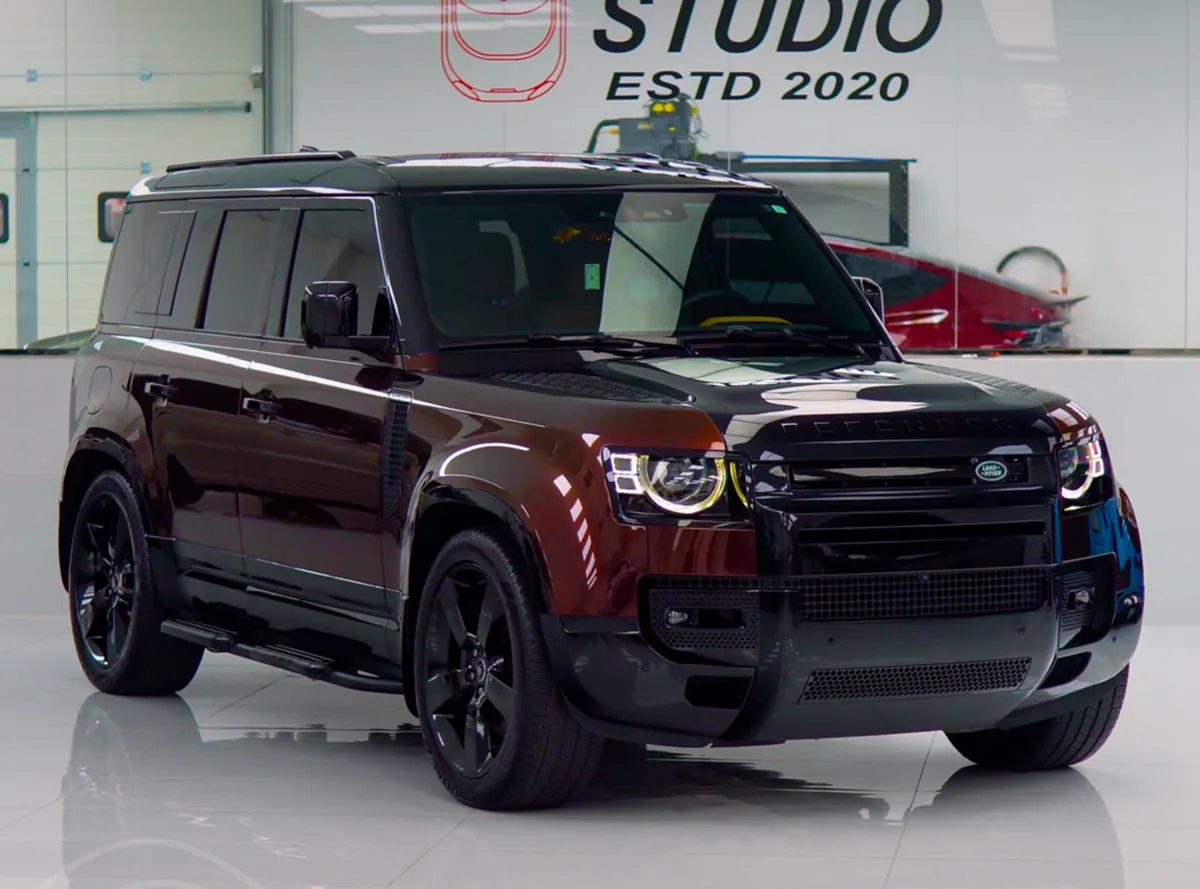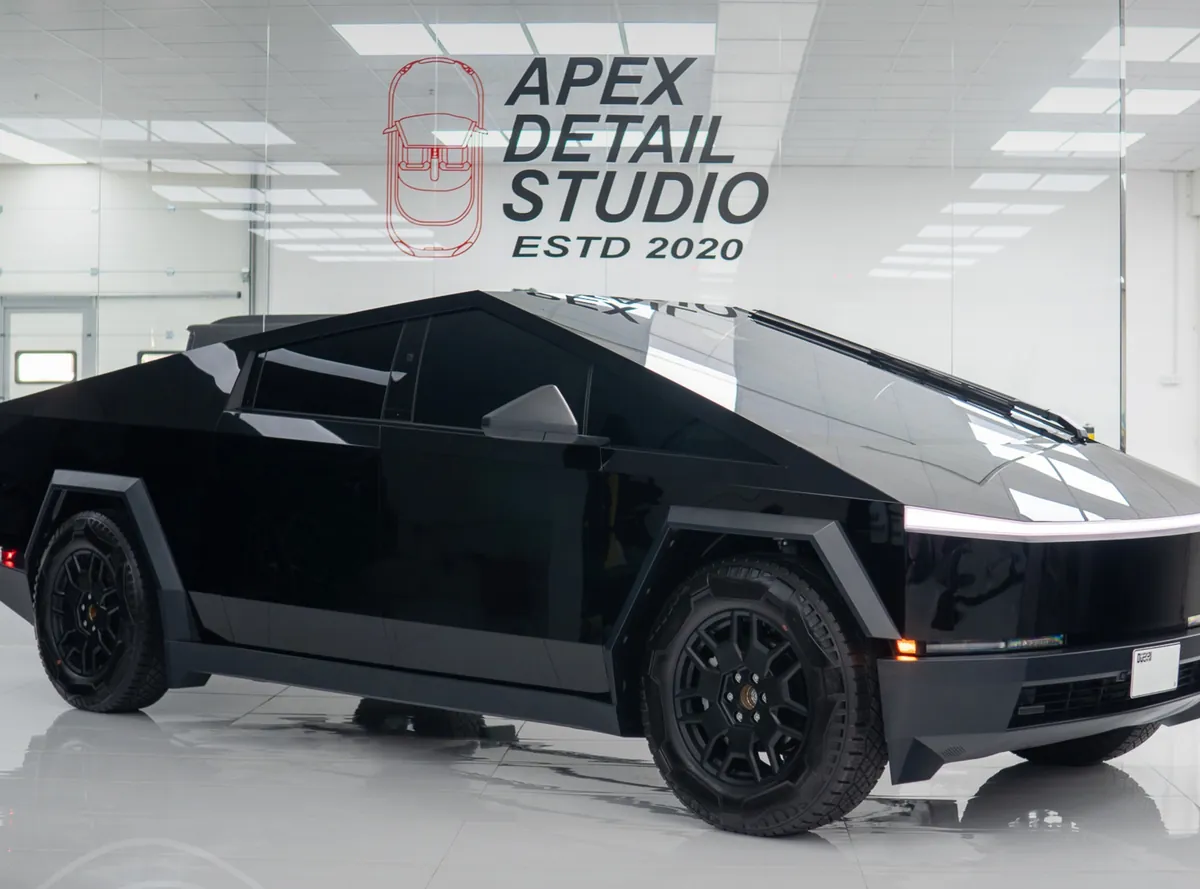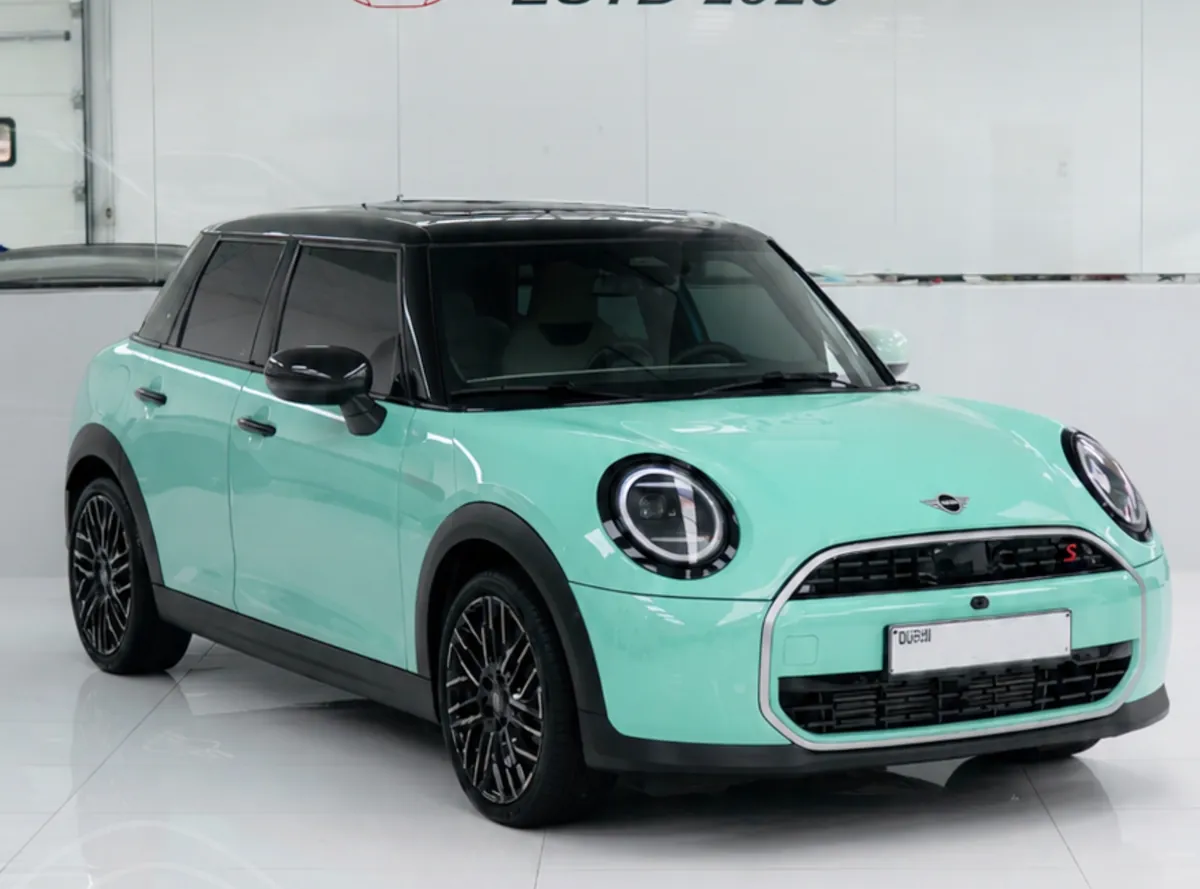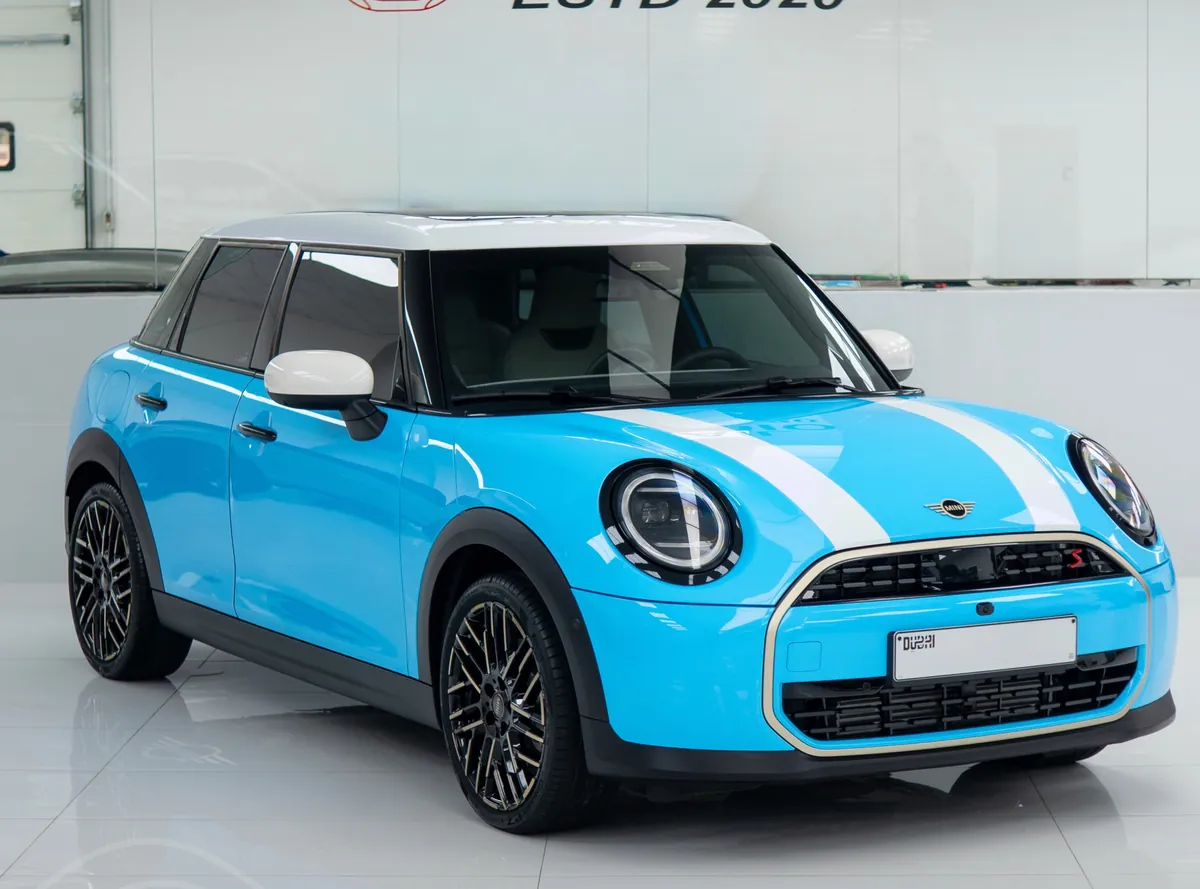
When it comes to car care, maintaining that showroom shine and protecting the vehicle’s exterior from the elements are top priorities for many car enthusiasts and owners. One of the most effective ways to achieve this is through ceramic coating. In this guide, we’ll dive into what ceramic coating is, its benefits, how it works, and why it’s a worthy investment for your vehicle.
What is Ceramic Coating?
Ceramic coating is a liquid polymer applied to the exterior surfaces of a vehicle. This coating chemically bonds with the vehicle’s factory paint, creating a layer of protection. The primary component of ceramic coating is silica dioxide (SiO2), which gives it the unique ability to form a strong, durable bond with the paint.
How Does Ceramic Coating Work?
Once applied, the ceramic coating cures and hardens, forming a semi-permanent or permanent bond with the vehicle’s paint. This bond creates a protective layer that shields the paint from various environmental contaminants and minor physical damage. The process involves several steps, typically performed by professional detailers, including thorough cleaning, paint correction, and precise application of the coating.
Benefits of Ceramic Coating
- Enhanced Protection: Ceramic coating provides a robust barrier against UV rays, chemical stains, bird droppings, tree sap, and other contaminants that can damage your car’s paint.
- Hydrophobic Properties: The hydrophobic nature of ceramic coatings causes water to bead up and roll off, taking dirt and grime with it. This makes cleaning your vehicle much easier and less frequent.
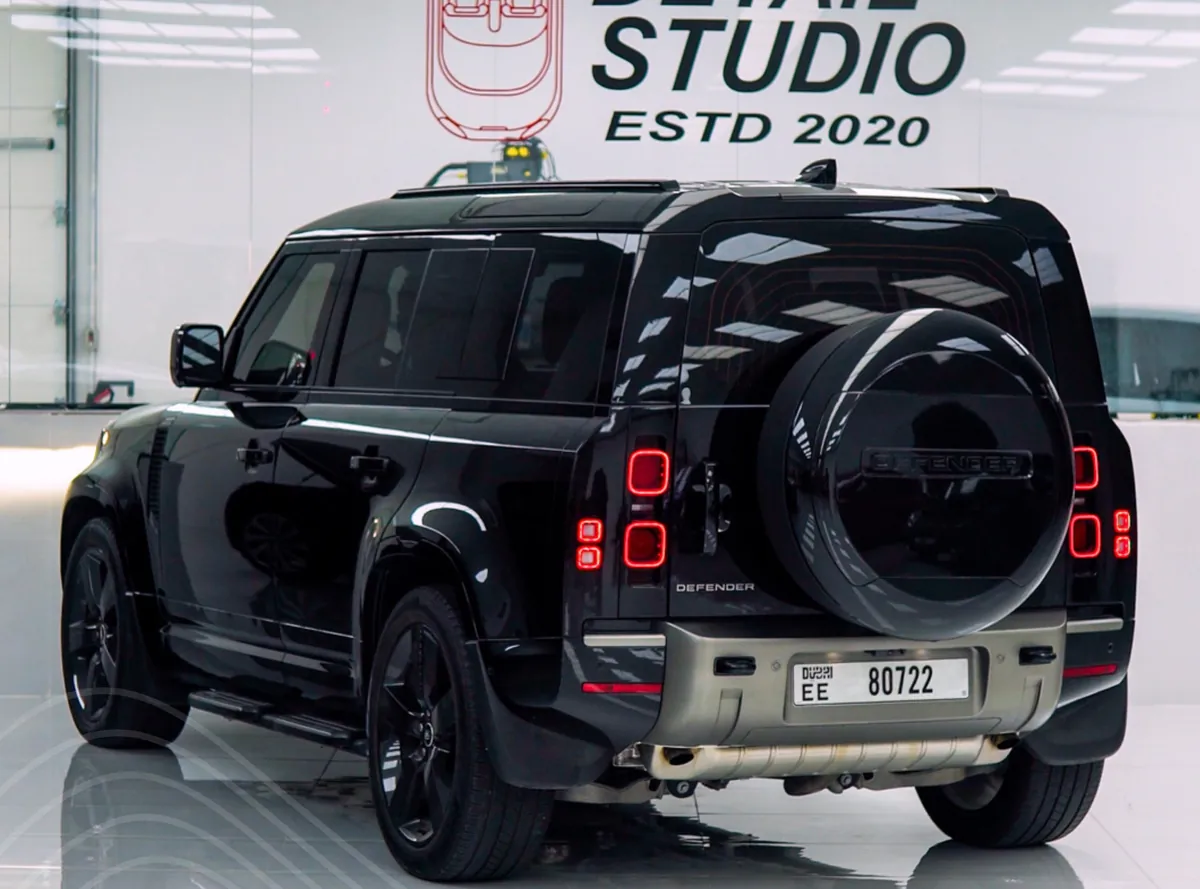
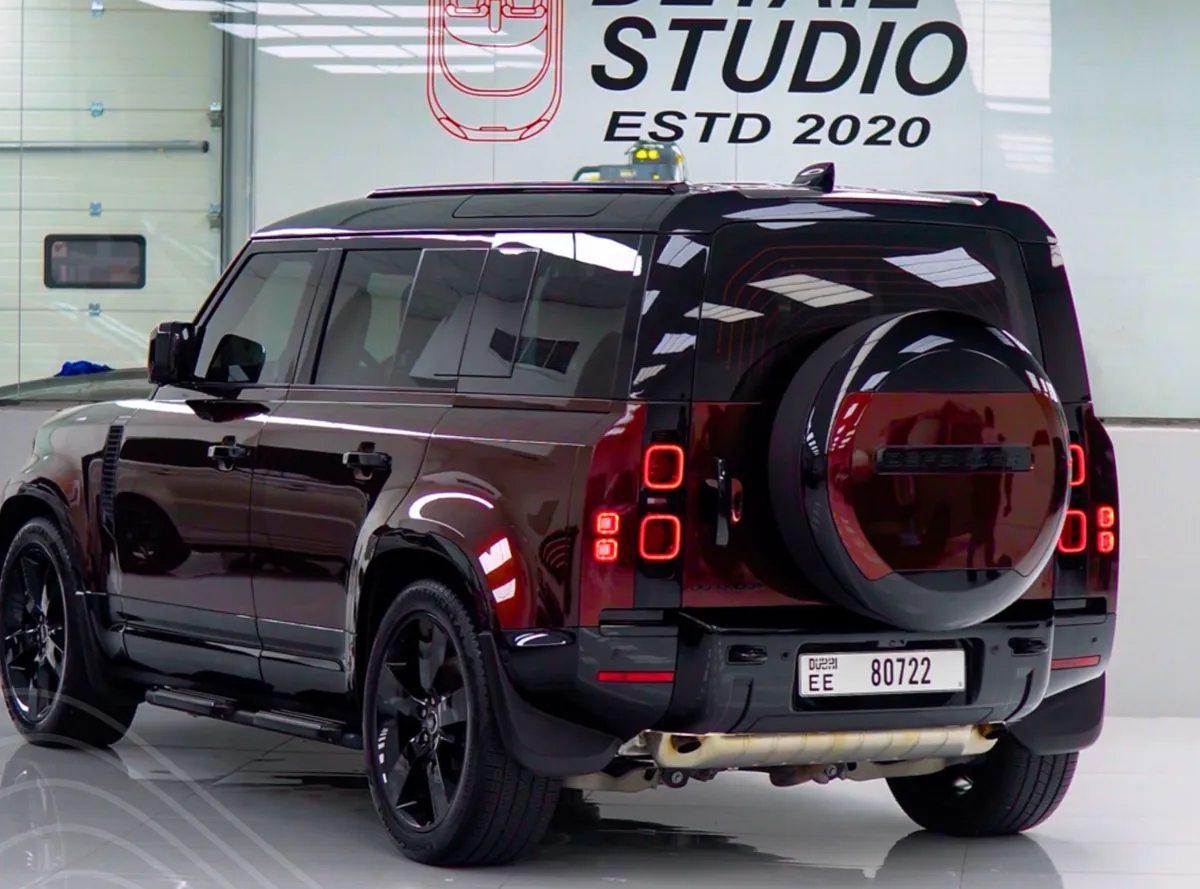
- Improved Gloss: Ceramic coatings enhance the reflective properties of your car’s paint, adding depth and clarity for a showroom-quality shine.
- Durability: Unlike traditional waxes that wear off quickly, ceramic coatings can last for years with proper maintenance, providing long-term protection and value.
- Scratch Resistance: While not completely scratch-proof, ceramic coatings add a layer of resistance against minor scratches and swirl marks.
- Chemical Resistance: The coating protects the paint from acidic contaminants and harsh chemicals, preserving the car’s finish.
Application Process
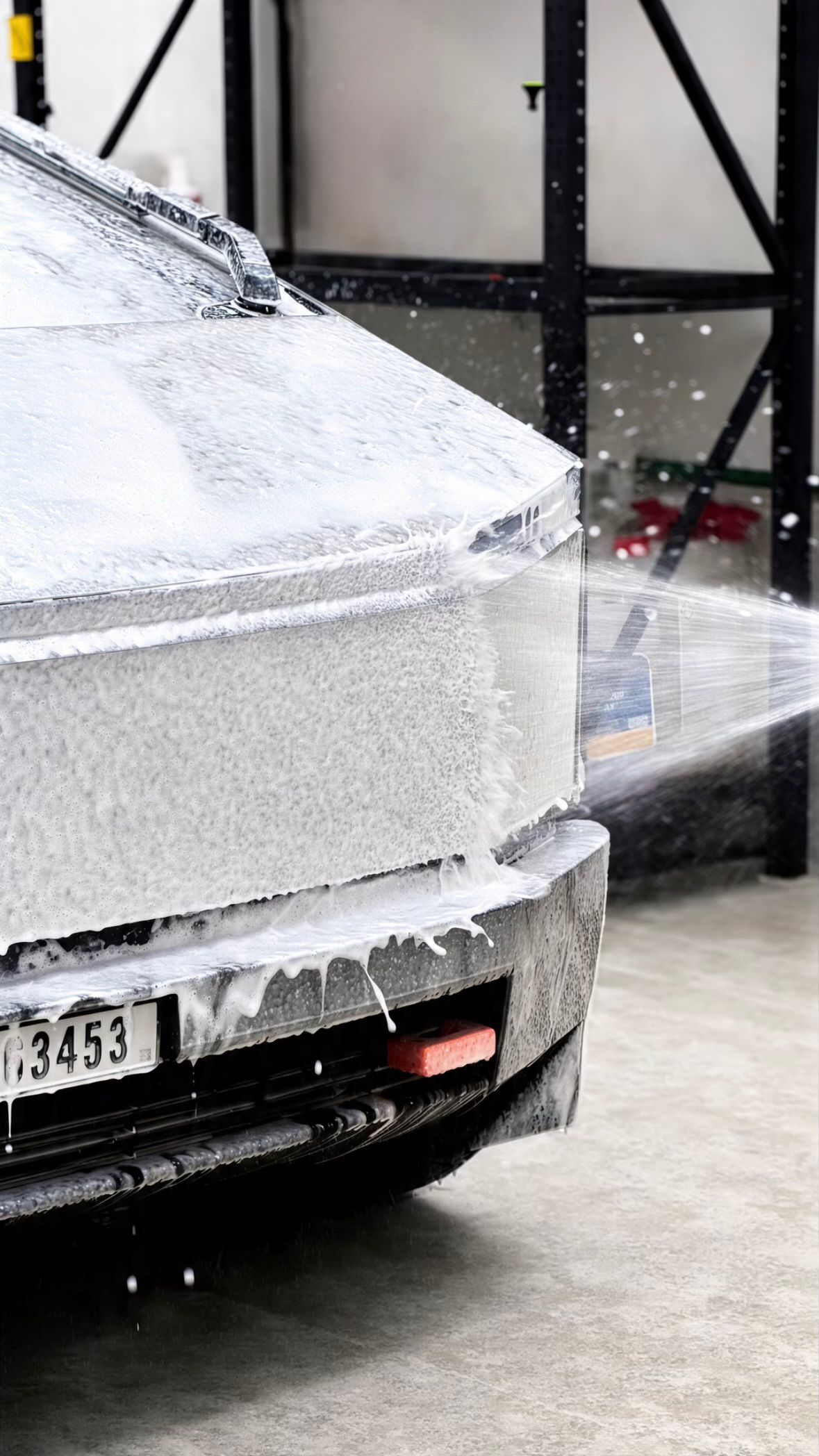
- Preparation: The vehicle is thoroughly washed and decontaminated to remove dirt, grease, and previous waxes. This step ensures the surface is clean and ready for coating.
- Paint Correction: Any imperfections, such as scratches or swirl marks, are corrected to achieve a smooth, flawless surface.
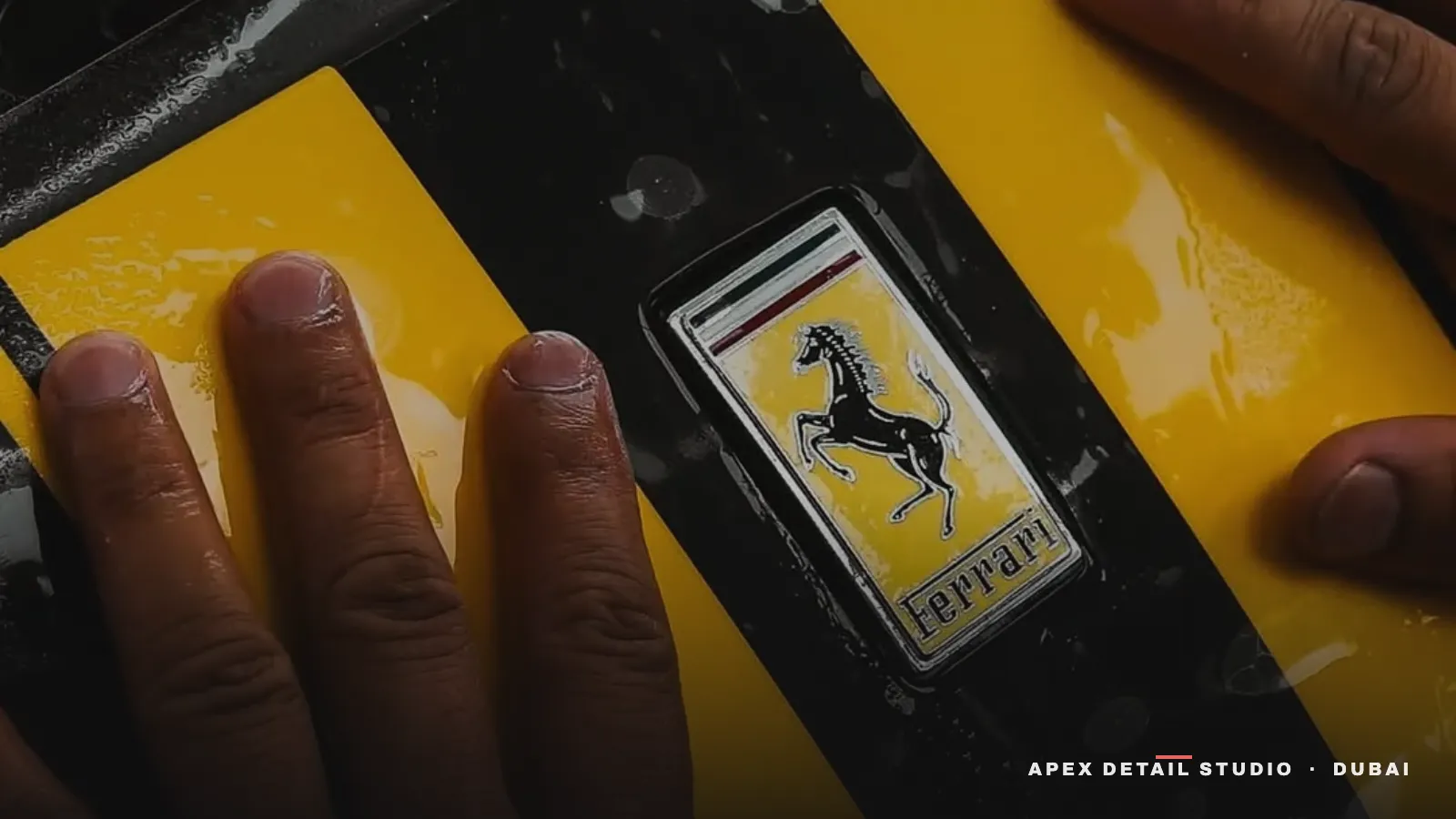
- Application: The ceramic coating is carefully applied to the vehicle’s surface in a controlled environment to ensure optimal bonding.
- Curing: The coating is left to cure and harden, forming a strong bond with the paint. This process can take several hours to days, depending on the product used.
Why Choose Professional Application?
While DIY ceramic coating kits are available, professional application ensures the best results. Professional detailers have the expertise, equipment, and environment to apply the coating correctly, ensuring maximum protection and longevity. They can also provide additional services, such as paint correction, which is crucial for achieving a flawless finish.
Maintenance Tips
To keep your ceramic coating in top condition, follow these maintenance tips:
- Regular Washing: Wash your vehicle regularly using a pH-neutral car shampoo to remove dirt and contaminants.
- Avoid Harsh Chemicals: Do not use abrasive cleaners or harsh chemicals that can damage the coating.
- Periodic Inspections: Have your vehicle inspected periodically by a professional detailer to ensure the coating remains effective and address any issues promptly.
How Long Does Ceramic Coating Last in Dubai?
Ceramic coating durability varies significantly between consumer-grade and professional-grade products, and Dubai’s climate accelerates the difference. Entry-level coatings available in spray form typically last 6 to 12 months before their hydrophobic properties degrade. Mid-grade single-layer professional coatings generally perform well for 2 to 3 years with proper maintenance. Premium multi-layer systems such as Gtechniq Crystal Serum Ultra, applied by certified professionals in controlled environments, are rated for 5 to 7 years of protection.
In Dubai specifically, three environmental factors shorten coating lifespan compared to more temperate climates: the UV index regularly exceeds 11 (classified as Extreme) for five to six months of the year, ambient temperatures above 45°C accelerate chemical degradation of the coating’s molecular structure, and airborne sand particles create micro-abrasion on the coating surface during dust storms. This is why coating selection, preparation quality, and maintenance discipline matter far more in Dubai than in cooler markets.
At Apex Detail Studio, all ceramic coating applications are carried out with Gtechniq Crystal Serum Ultra as the base layer — a product specifically engineered for extreme heat climates — optionally topped with EXO V5 for enhanced hydrophobic performance.
Ceramic Coating vs PPF — Which Do You Need in Dubai?
This is one of the most common questions from Dubai car owners, and the answer depends on what type of damage you are most concerned about. Ceramic coating excels at chemical resistance, UV protection, and ease of maintenance. It bonds at a molecular level with the paint, creating a surface that repels water, prevents bird dropping etching, resists car park dust, and maintains a deep gloss finish. However, it is not a physical barrier — ceramic coating will not stop a stone chip, prevent a scratch from a car key, or protect against sand abrasion at motorway speeds.
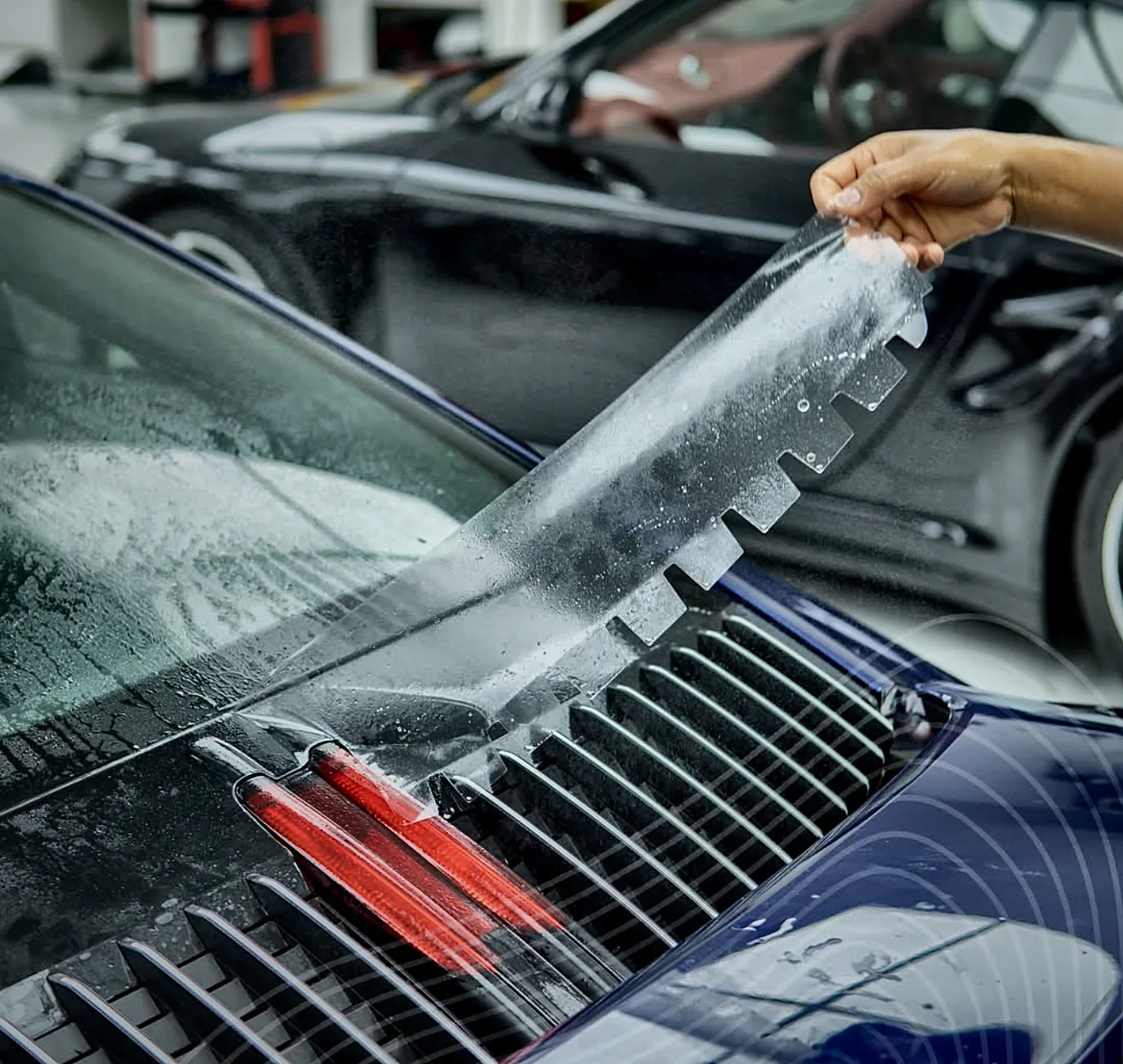
Paint Protection Film is a physical thermoplastic urethane layer, typically 8 mils thick, that absorbs physical impact. It stops stone chips entirely, self-heals from light scratches, and provides the only genuine protection against Dubai’s highway debris. However, without a ceramic coating on top, the film itself will require more frequent washing as it lacks the hydrophobic surface properties that make maintenance easier.
The optimal solution for Dubai conditions — and the one most commonly chosen at Apex Detail Studio for high-value vehicles — is full-body PPF combined with a ceramic coating applied on top of the film. This delivers both physical impact protection and chemical and UV surface resistance in a single installation.
What Vehicles Benefit Most from Ceramic Coating in Dubai?
While ceramic coating benefits every vehicle, certain vehicle types and use cases see the most significant return on investment in Dubai’s environment. Daily drivers that spend long hours in direct sunlight — whether parked at office buildings or on open highways — experience the fastest UV-induced paint degradation. For these vehicles, ceramic coating reduces washing frequency from weekly to bi-weekly and prevents the oxidation that causes paint to look faded within two to three years of unprotected exposure.
Luxury and prestige vehicles such as the Porsche Cayenne, Range Rover, Mercedes-Benz GLE, and BMW 7 Series benefit from ceramic coating because their high-quality factory paint finishes are the most visually sensitive to contamination and the most costly to refinish. Maintaining the integrity of the original paint surface directly preserves resale value in Dubai’s competitive luxury car market.
Electric vehicles — particularly Teslas — have paint that is notoriously soft and prone to swirl marks from standard car washes. Ceramic coating provides an additional hardness layer (rated at 9H on the pencil hardness scale for professional-grade products) that protects the paint during routine washing and reduces the risk of marring from automated car wash brushes.
Choosing a Ceramic Coating Installer in Dubai — What to Look For
The ceramic coating market in Dubai is large and the quality range is equally wide. A reputable installer will always begin with a full paint correction stage before applying the coating. Ceramic coating does not hide imperfections — it locks them in permanently. Any studio that skips paint correction, or uses a single light polish to claim “correction,” is not delivering a professional result. At Apex Detail Studio, paint thickness measurements and multi-point inspection under LED lighting precede every coating application.
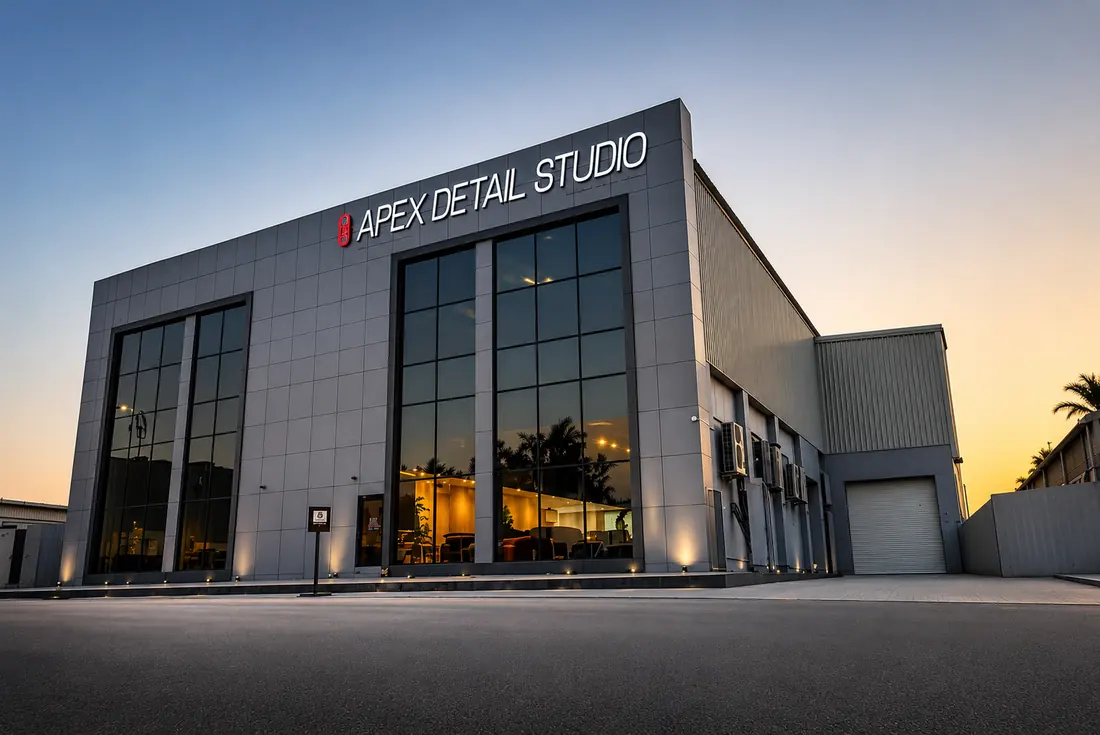
Certification matters. Gtechniq, IGL Coatings, and XPEL all maintain authorised installer networks. Certified installers have been trained on product application protocols and tested application environments, and they are authorised to provide the manufacturer’s warranty on the coating. The curing environment is also critical — ceramic coatings must be applied in a dust-controlled, humidity-regulated space. Dubai’s ambient dust levels mean that outdoor or poorly sealed workshop environments will result in contamination embedded under the curing coating layer. Apex Detail Studio operates an enclosed, filtered detailing bay specifically for this reason.
Conclusion
Ceramic coating is one of the most effective long-term investments a Dubai car owner can make. In a city where UV radiation, sand, heat, and hard water actively attack your vehicle’s paint every day, a professionally applied coating dramatically reduces maintenance burden, prevents premature paint degradation, and preserves the visual and financial value of your vehicle. The key to getting the most from a ceramic coating is choosing the right product for your vehicle’s exposure conditions, ensuring full paint correction before application, and committing to a maintenance routine suited to Dubai’s climate. At Apex Detail Studio, we specialise in professional-grade Gtechniq ceramic coatings applied in a controlled environment by certified technicians. Contact us at +971 58 549 2739 or visit apexdetailstudio.com to discuss the right protection solution for your vehicle.
Read More: GTECHNIQ Ceramic Coating: The Science Behind the Shine