PPF vs Ceramic Coating in Dubai: The Complete Guide (2026)
Paint Protection Film and ceramic coating are the two most effective tools for preserving your car’s paint in Dubai’s harsh climate — but they are fundamentally different technologies that protect against different threats. This guide explains exactly what each does, what it costs, and how to decide which is right for your vehicle and driving situation in the UAE.
What Is PPF (Paint Protection Film)?
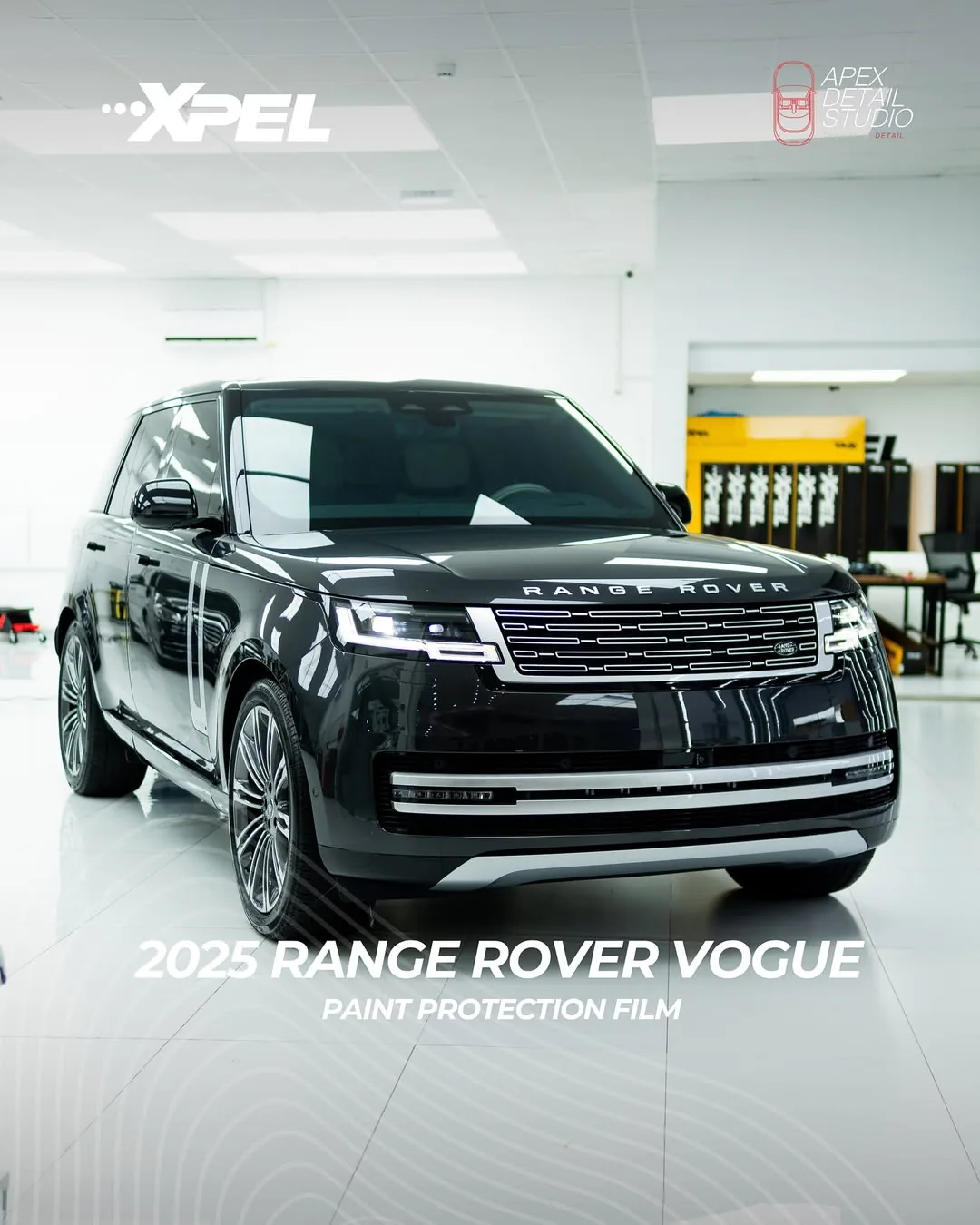
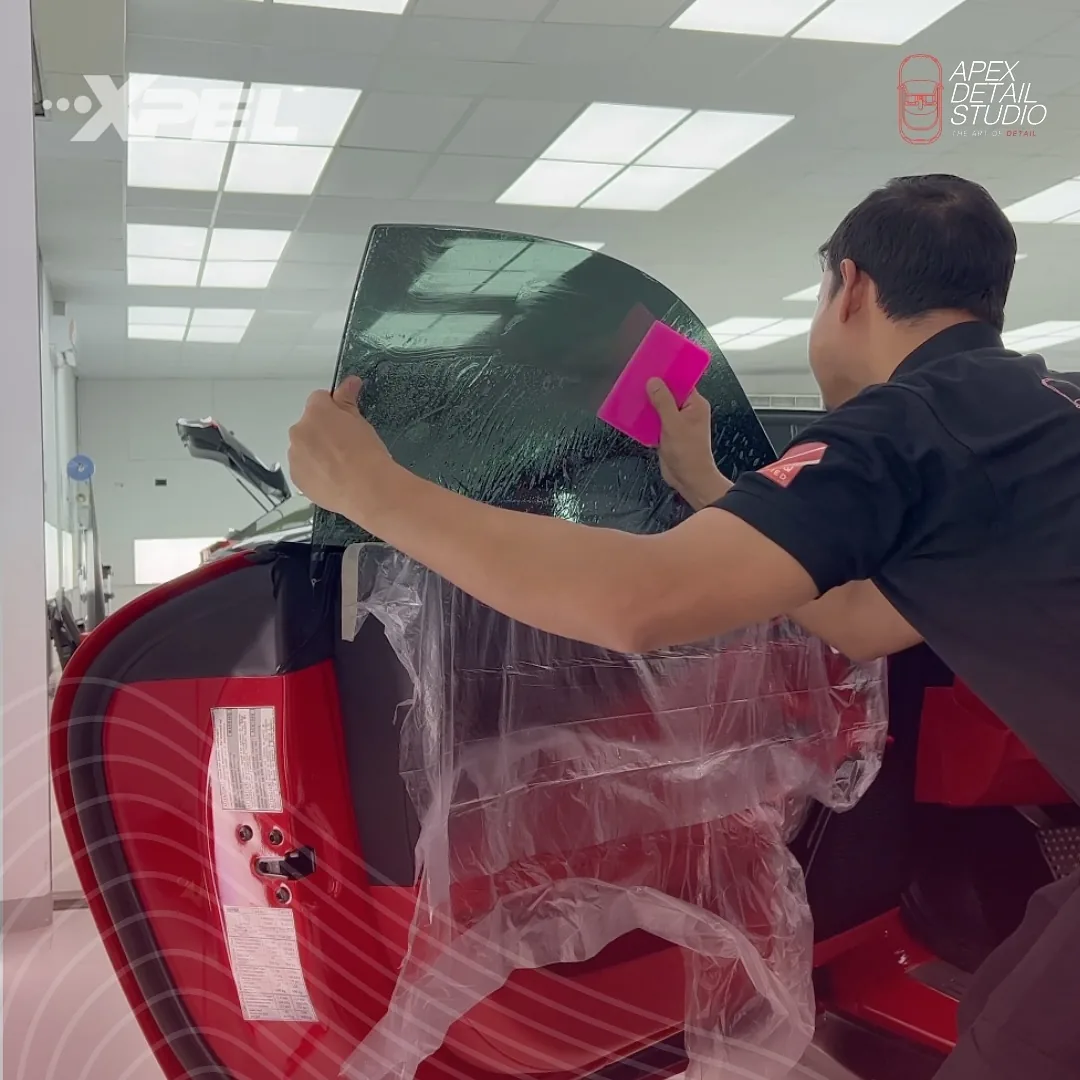
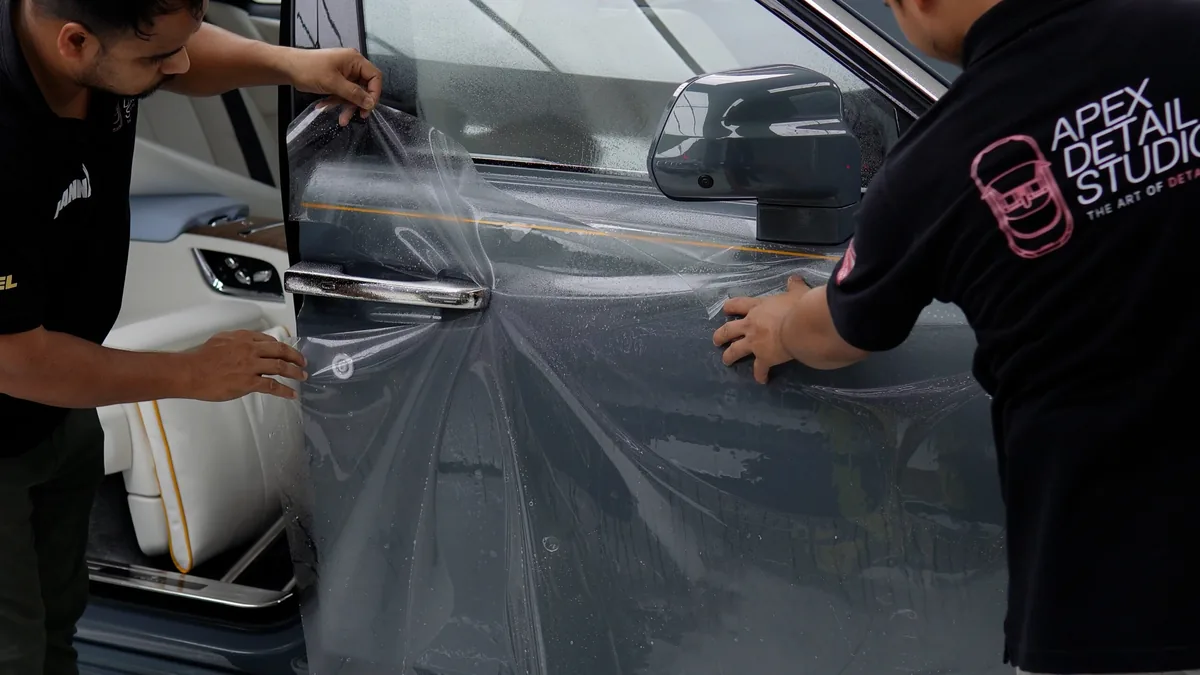
Paint Protection Film is a thermoplastic urethane film applied directly to your car’s painted panels. It functions as a physical barrier between your paint and the outside world — absorbing stone chip impacts, resisting scratches, and preventing physical damage before it reaches the clear coat. The best PPF products, including XPEL Ultimate Plus and XPEL Stealth, incorporate a self-healing top coat that uses elastomeric polymers to repair light surface scratches automatically when exposed to heat. In Dubai’s summer temperatures, this self-healing effect happens naturally — minor abrasions from sand and fine debris disappear on their own in direct sunlight.
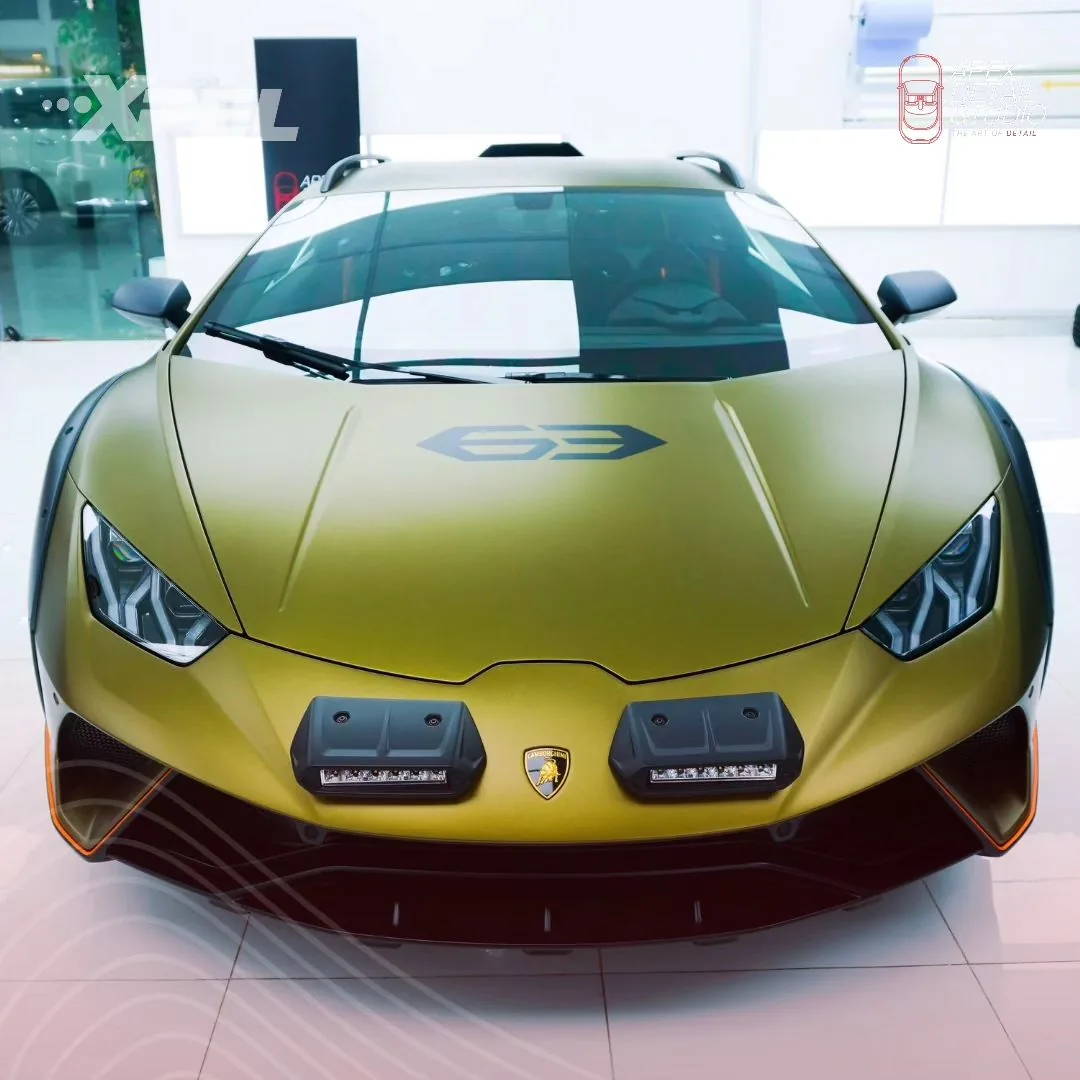
XPEL Ultimate Plus maintains your car’s original gloss finish and is optically clear — when installed correctly, it is virtually invisible. XPEL Stealth converts a gloss paint surface to a satin matte finish, a transformation that has become enormously popular in Dubai over the past two years. Both products carry XPEL’s 10-year manufacturer warranty against yellowing, cracking, peeling, and delamination — a significant commitment in the UAE’s extreme UV environment where cheaper films fail within two to three years.
What Is Ceramic Coating?
Ceramic coating is a liquid polymer that chemically bonds to your car’s clear coat surface, creating a permanent protective layer with properties that paint alone cannot achieve. The cured coating is significantly harder than clear coat — professional-grade products like Gtechniq Crystal Serum Ultra achieve 9H+ on the pencil hardness scale — and its surface structure at a nano level creates a hydrophobic effect that causes water to bead and sheet off at very low contact angles. This means water, dust, sand, bird droppings, and road grime do not bond to the surface the way they do to unprotected paint.
The other critical property of ceramic coating in Dubai’s context is UV resistance. The coating blocks UV radiation from penetrating to the paint below, preventing the oxidation and colour fade that Dubai’s intense sun causes in unprotected vehicles over time. A ceramic-coated car in Dubai will maintain its colour depth and surface gloss for years that would see an unprotected equivalent looking faded, chalky, and tired.
PPF vs Ceramic Coating: The Core Differences
The fundamental distinction is the type of protection each provides. PPF is a physical barrier — it has measurable thickness (typically 150 to 200 microns) and absorbs kinetic energy from stone chips and surface contact. Ceramic coating is a chemical surface treatment — it bonds to the existing surface and modifies its properties, but has no measurable thickness in the impact-absorption sense. A stone chip that hits a ceramic-coated bonnet will still chip the paint. The same chip hitting a PPF-covered bonnet is absorbed by the film.
Conversely, PPF does not provide significant UV resistance beyond what the paint and clear coat already have. It does not create the deep, sustained hydrophobic effect of a ceramic coating — though XPEL film can be paired with a ceramic coating applied on top of the film for this purpose. And PPF alone does not enhance the paint’s colour depth or gloss beyond its original level (unless Stealth is chosen, which changes the surface finish aesthetically).
What PPF Does Better
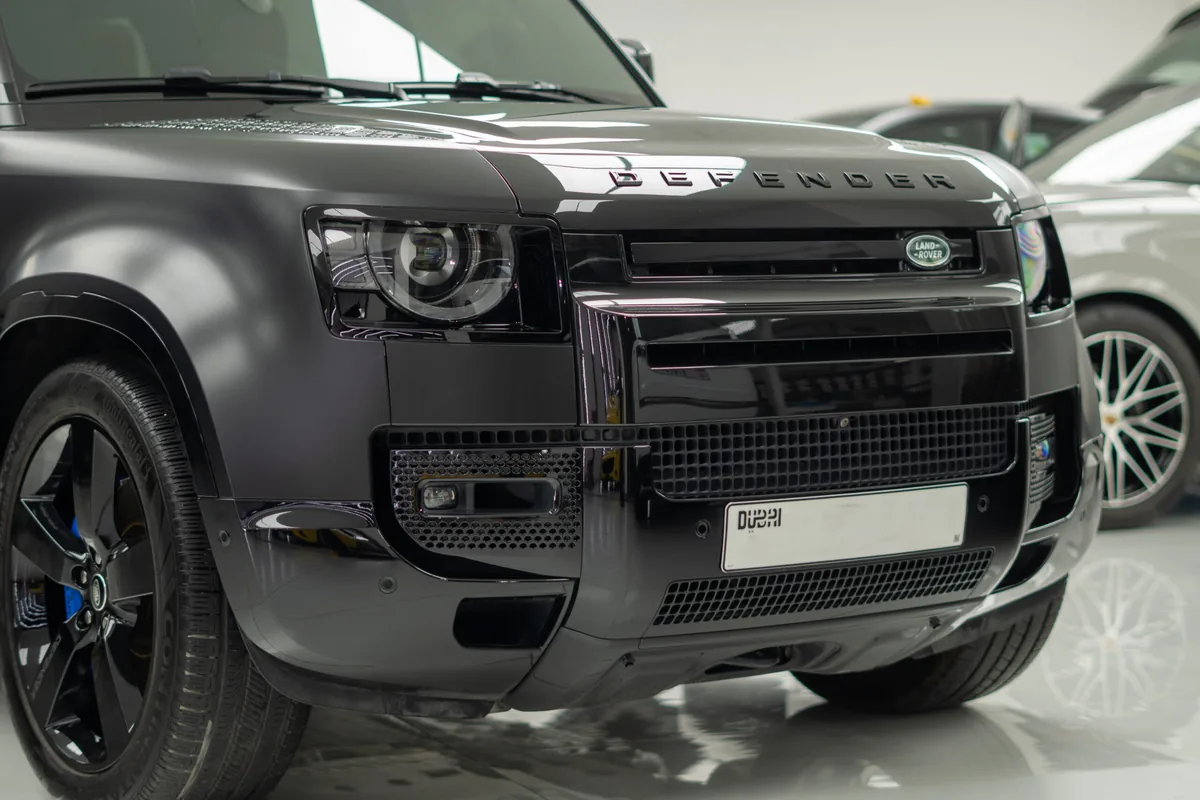
PPF is the only effective solution for stone chip protection. If you drive regularly on Dubai’s major highways — Sheikh Zayed Road, the E311 (Sheikh Mohammed Bin Zayed Road), Al Khail Road, or the inter-emirate routes to Abu Dhabi and Sharjah — your bonnet, front bumper, headlights, and front quarter panels are exposed to stone chip risk every time you drive. Construction traffic is prevalent on all major UAE roads, and the rock chip exposure from trucks and construction vehicles is significant. After one to two years of unprotected highway driving in Dubai, a typical car will have a bonnet with dozens to hundreds of stone chips. With PPF in place, the bonnet is preserved exactly as it was on day one.
PPF also provides the best protection against sand abrasion — the continuous micro-abrasion caused by fine silicate sand particles in Shamal wind conditions that gradually erodes the clear coat surface of unprotected vehicles. And it is the only product that provides meaningful protection against parking lot door dings and the light contact marks that accumulate on daily-driven vehicles in multi-storey car parks and tight urban spaces.
What Ceramic Coating Does Better
Ceramic coating is far superior for UV protection, hydrophobic maintenance, and the overall ease of keeping your car clean and polished over a multi-year ownership period. The UV-blocking properties of a professional ceramic coating prevent the primary cause of paint fade in Dubai — the constant UV bombardment that breaks down the molecular structure of the clear coat and the pigments in the base coat below. Without protection, this degradation is visible within two to three years on most colours, with white and silver the most resilient and dark metallics and solid colours the most vulnerable.
The hydrophobic surface of a ceramic coating transforms the washing experience in Dubai. Instead of sand and dust bonding stubbornly to the paint surface and requiring aggressive scrubbing, a ceramic-coated surface releases contamination far more easily — meaning less time per wash, less risk of swirl marks from wash media contact, and less frequent washing required overall. In a city where your car can look dusty again within 24 hours of washing, anything that reduces the effort and frequency of cleaning is a quality-of-life improvement with genuine value.
PPF vs Ceramic Coating: Cost Comparison in Dubai (2026)
Cost is a real differentiator between these two options. Professional ceramic coating on a mid-size vehicle in Dubai — including the necessary paint preparation — typically ranges from AED 2,500 to AED 5,000. Full-body coverage is straightforward because the product is applied to every painted surface in a single service. PPF is significantly more expensive on a full-body basis: a full-body XPEL installation on a mid-size SUV starts from approximately AED 16,000 to AED 22,000, with pricing for exotic vehicles reaching AED 30,000 to AED 50,000 or more.
However, a partial PPF approach — covering only the front-end impact zones — significantly changes the value equation. A front-end XPEL package (bonnet, front bumper, headlights, front quarter panels, mirrors) on a mid-size vehicle starts from approximately AED 4,500 to AED 6,500. Adding ceramic coating to the rest of the car brings the combined cost to approximately AED 7,000 to AED 10,000 — an approach that delivers the stone chip protection where it matters most alongside the UV resistance and hydrophobic maintenance benefits across the full vehicle.
The Dubai Ideal: PPF and Ceramic Coating Combined
The answer to the PPF vs ceramic coating debate in Dubai is, for most vehicles and most owners, not an either/or choice — it is a question of how to intelligently combine both. The optimal approach for a Dubai vehicle that will be driven on highways, kept for three or more years, and maintained to a high standard is PPF on the front-end impact zones with ceramic coating over the entire car, including over the PPF. This gives you physical impact protection on the most vulnerable panels and chemical surface protection, UV resistance, and hydrophobic maintenance across everything else.
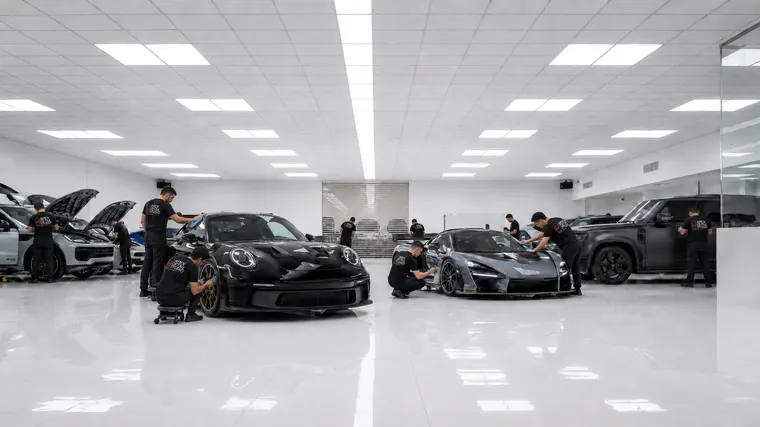
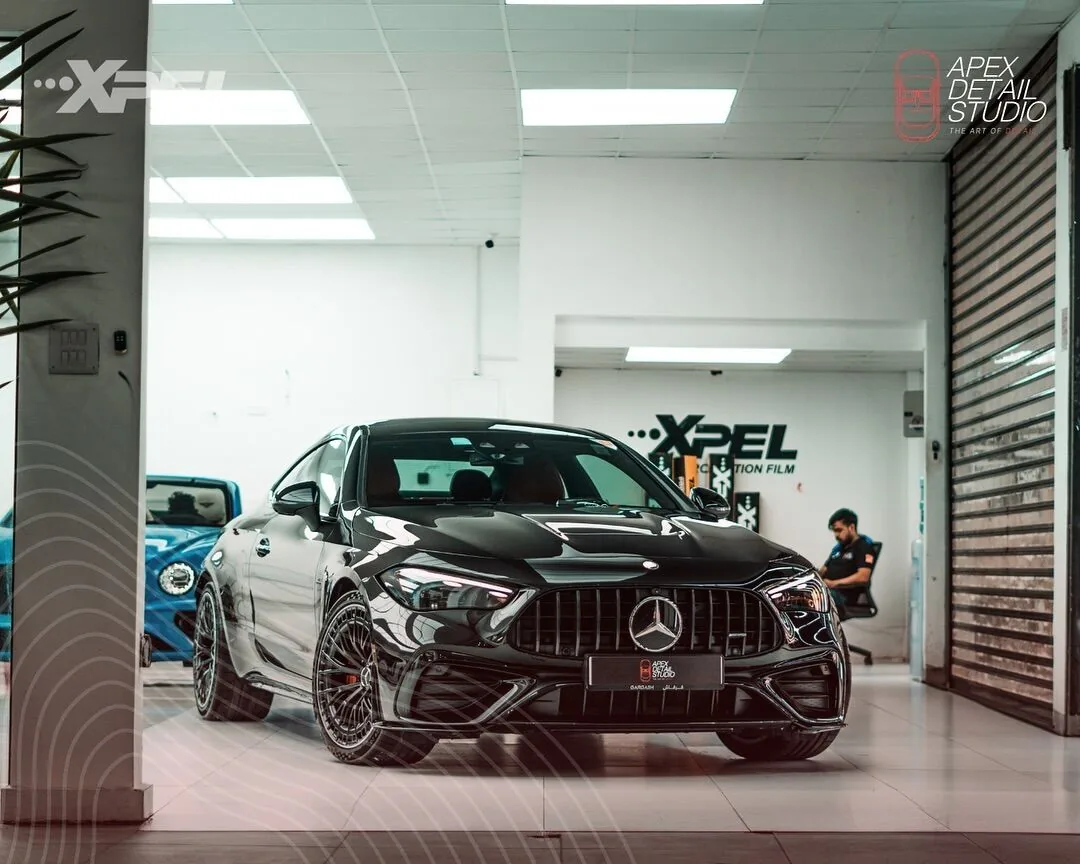
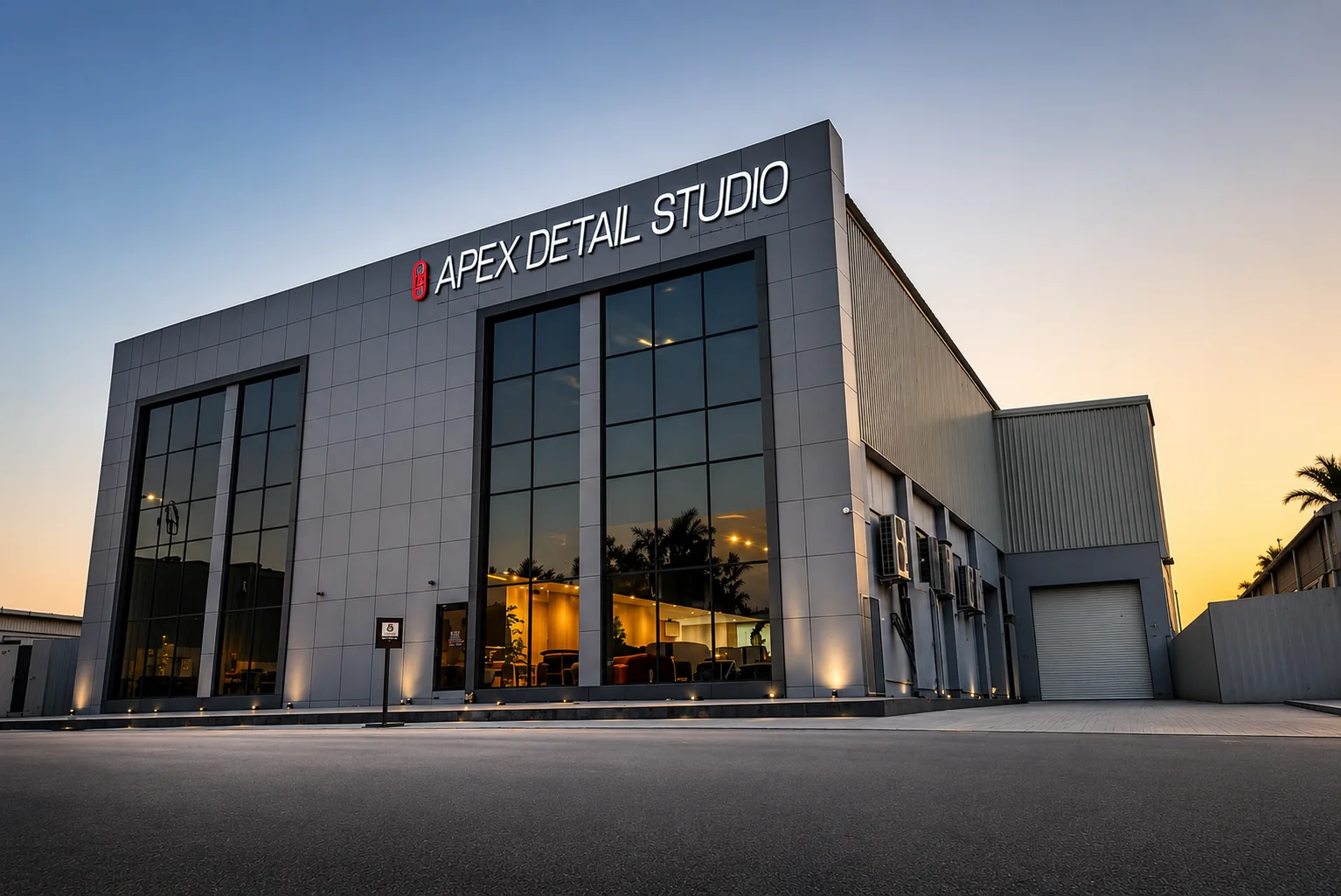
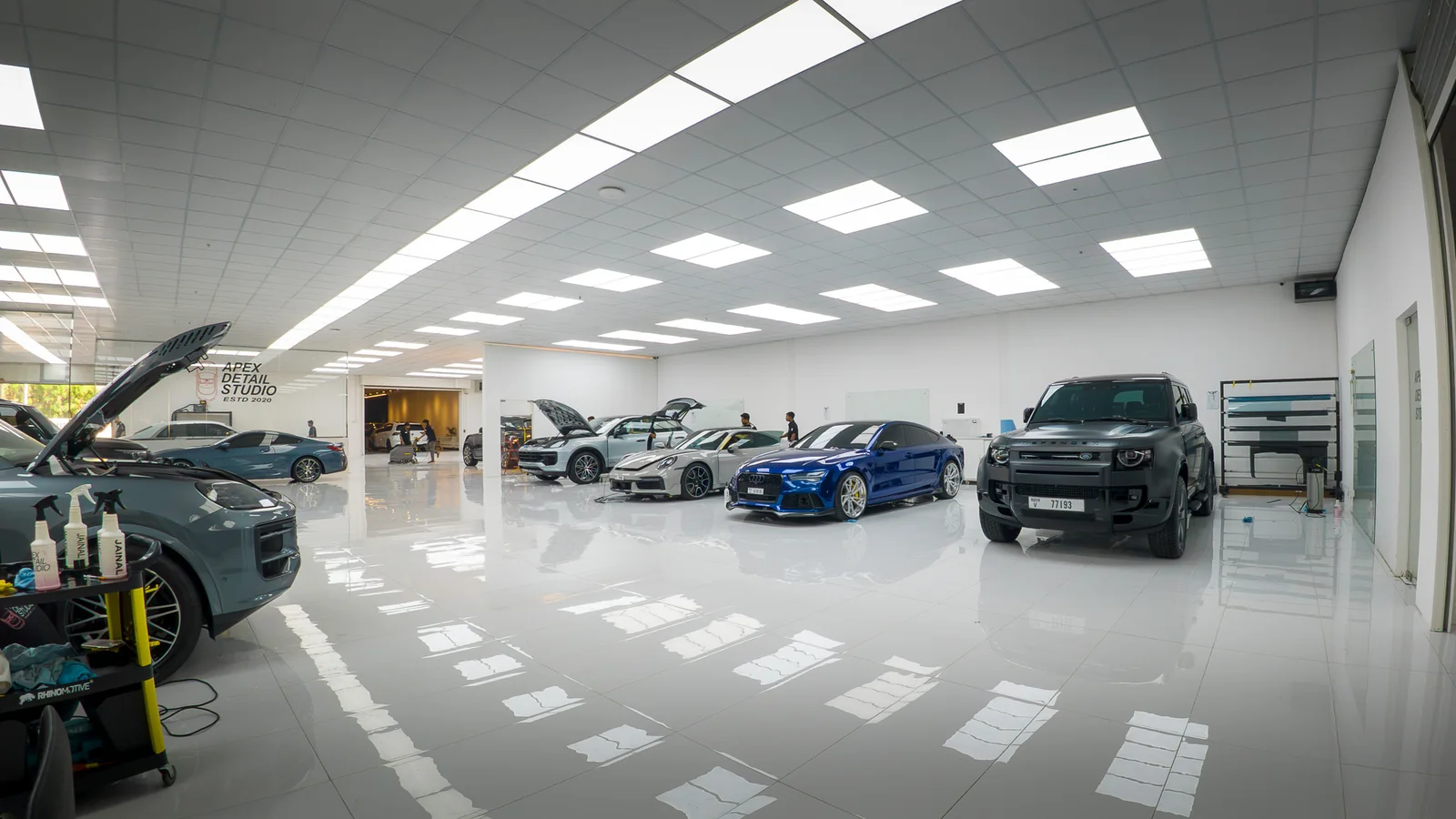
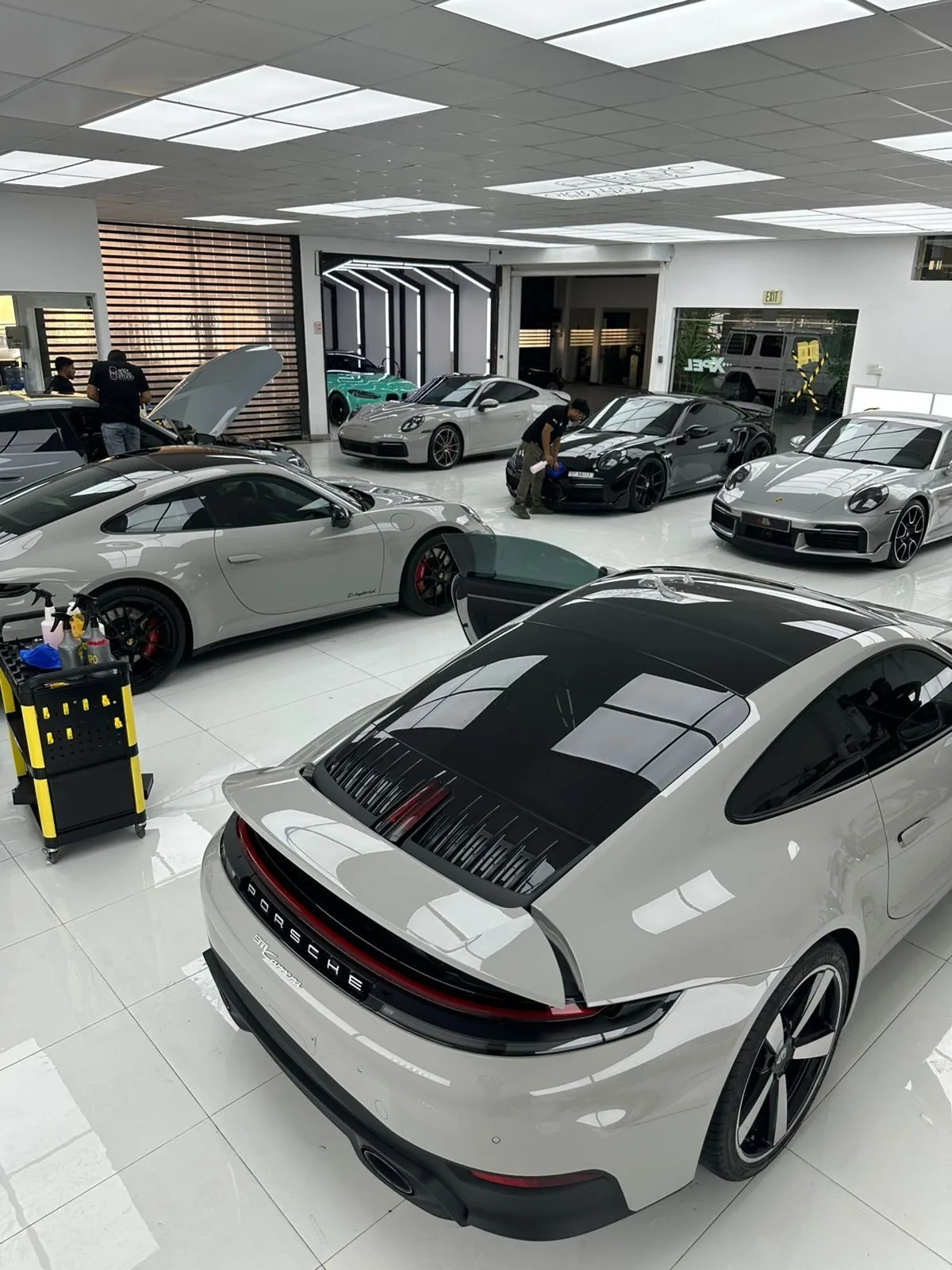
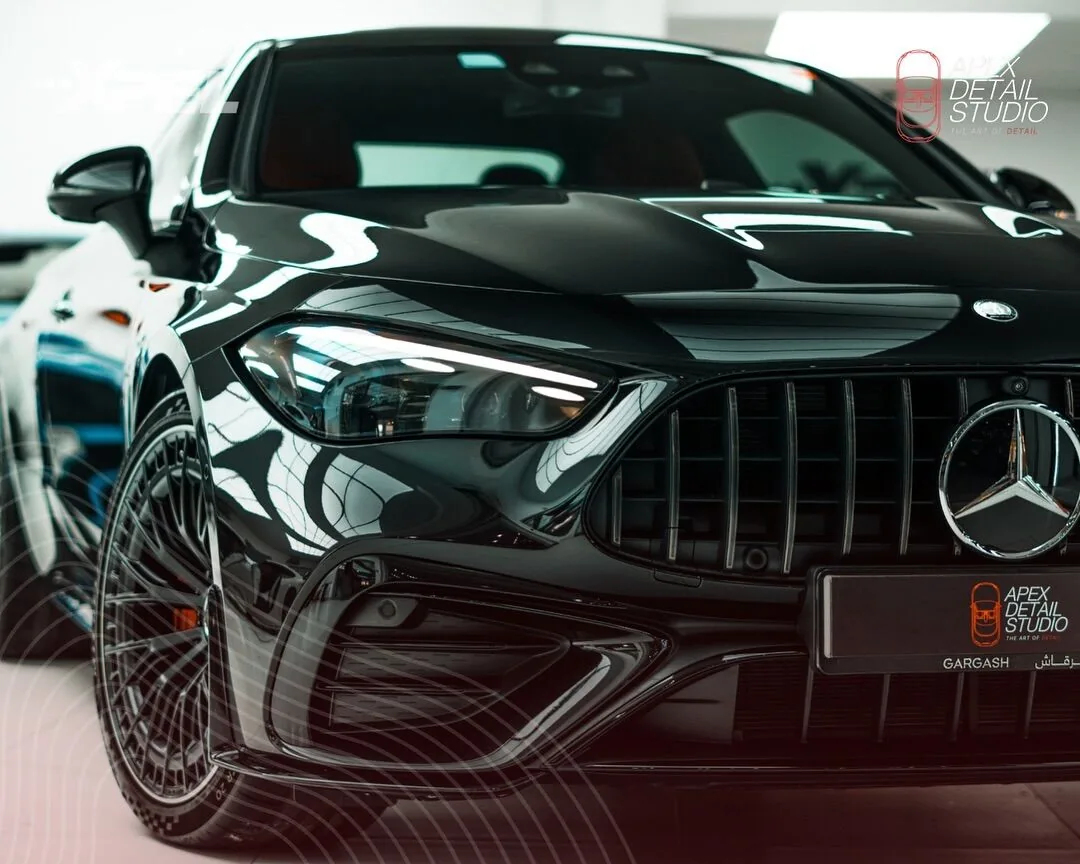
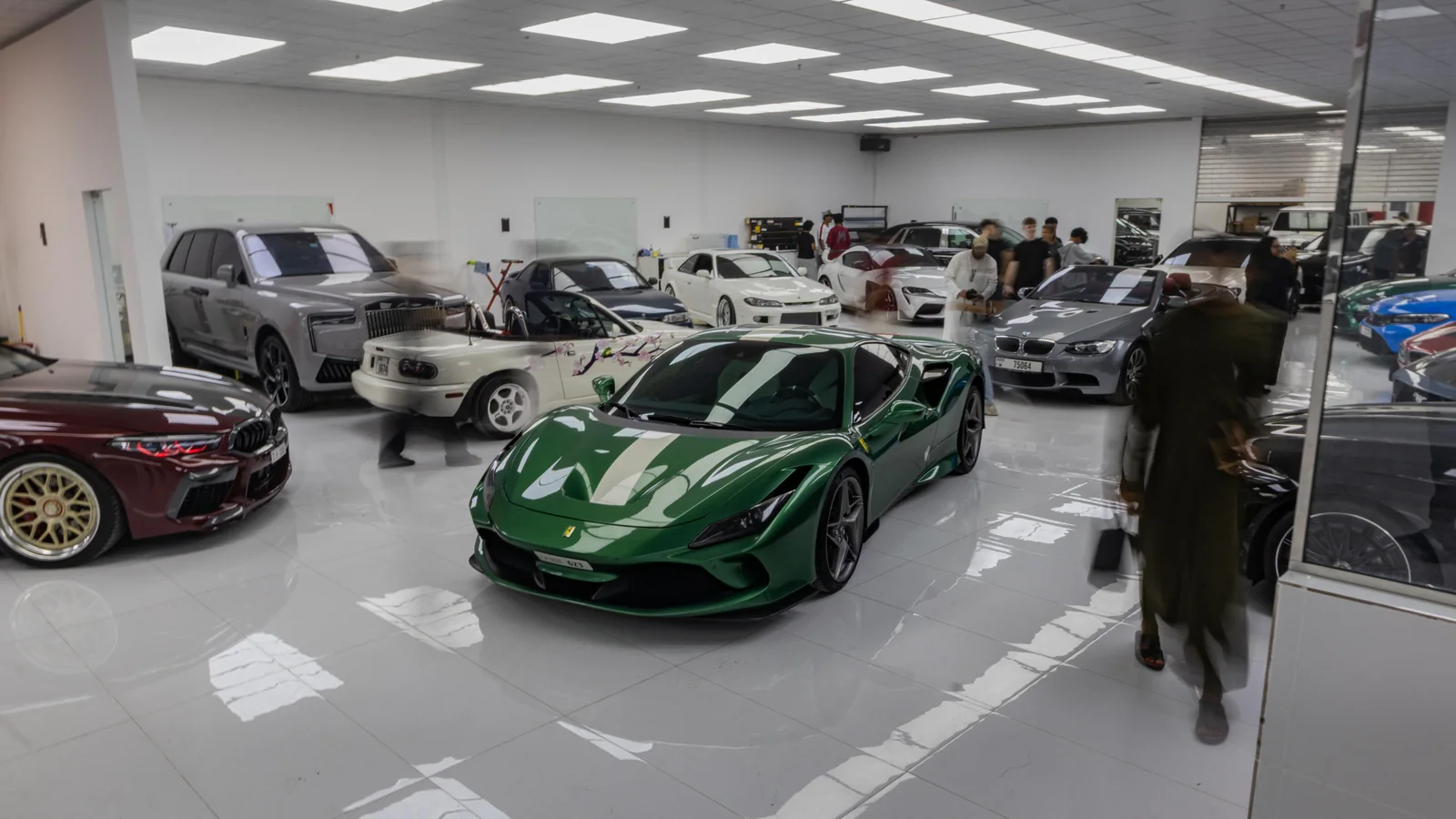
At Apex Detail Studio, we offer combined PPF and ceramic packages that are more cost-effective than booking the services separately, and our team will always advise on the right coverage approach based on your specific vehicle, how you drive it, where you park it, and your budget. There is no single right answer that applies to every car and every owner — the best protection strategy is the one that addresses your specific situation.
Which Should You Choose? Decision Guide
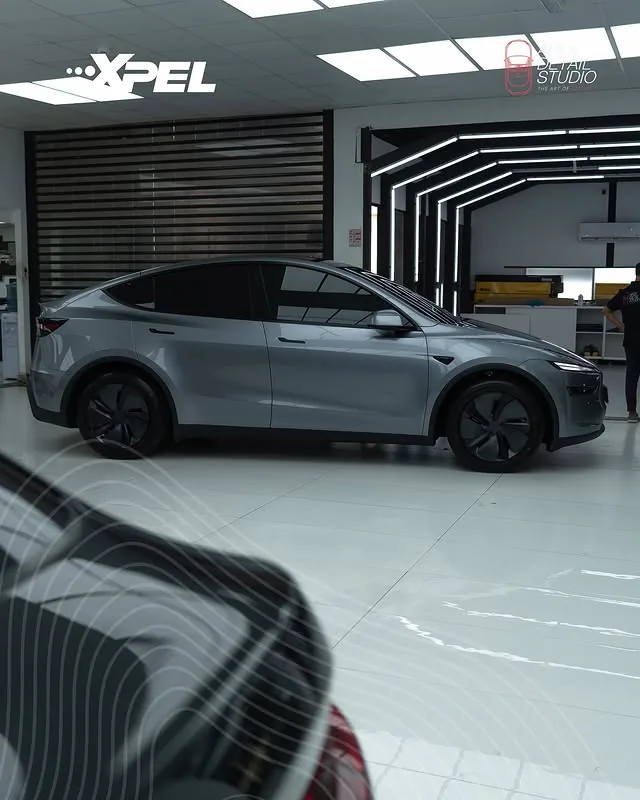
Choose PPF as your priority if your car is a daily highway driver in Dubai, if you have Tesla or other thin-paint vehicle, if your car is in a high stone chip exposure environment, or if you are most concerned about physical paint damage that PPF prevents but ceramic cannot. Choose ceramic coating as your priority if your car is lightly driven or garaged, if UV protection and wash ease are your primary concerns, if your budget constrains the total spend, or if you want full-car coverage in a single service. Choose both — partial PPF plus full ceramic — if you want comprehensive protection for a vehicle you intend to keep in excellent condition for three or more years. And choose full-body PPF plus full ceramic if you own a high-value exotic or luxury vehicle where complete paint preservation is the only acceptable standard.
Book Your Consultation at Apex Detail Studio Dubai
If you are still unsure which approach is right for your vehicle, the best next step is a direct conversation with our team at Apex Detail Studio. Bring your car in — or send us details via WhatsApp — and we will give you an honest recommendation based on your vehicle’s condition, your driving patterns, and your budget. We are an authorised XPEL installer and Gtechniq applicator in Dubai, and we would rather give you the right advice than make an unnecessary sale. Contact us to book your consultation.