Modern premium PPF can still yellow, peel or lift, but most problems come from contamination, edge damage, poor installation or the wrong care rather than the film simply failing. A yellow look is often trapped dirt or staining that cleaning can improve; true discolouration of older or low-grade film cannot be reversed.
Jump to section · 9 parts
- Can modern PPF still turn yellow?
- What causes PPF edges to lift?
- What causes PPF to peel or delaminate?
- Can paint come off with the film?
- What does a PPF warranty usually cover?
- How do you prevent PPF yellowing, peeling and lifting?
- How does Apex Detail Studio assess a PPF problem?
- What our PPF customers say
- Frequently asked questions
Lifting usually starts at an edge after pressure washing too close, an impact or a stressed edge, and should be checked by the installer before it spreads. Premium films premium gloss PPF carry a 10-year manufacturer warranty against yellowing, cracking, blistering and delamination when professionally installed.
Key facts
- Yellow look: often surface contamination or staining, not always a change in the film itself.
- Lifting: usually starts at edges after close pressure washing, impact, dirt intrusion or a stressed edge.
- Peeling: widespread separation needs a professional inspection to find the cause.
- Warranty: Premium gloss PPF and satin PPF cover yellowing, cracking, blistering and delamination for 10 years when professionally installed.
- Do not: pull, trim or glue a lifting edge yourself.
Film looking yellow or lifting? WhatsApp us your model and the team will reply with a first view from photos.
Dubai is hard on paint protection film. Surface temperatures on a dark bonnet in summer, strong UV, sand, frequent washing and long highway runs all test the film’s top coat, adhesive and edges. Older or budget films that look fine for a year can start to discolour or lift by the second or third summer.
Not every problem is a film failure, though. Many cars come to us with film that looks yellow but is simply contaminated, or one corner lifted by a pressure-washer lance. This guide explains how to tell the difference and how to prevent it.
Can modern PPF still turn yellow?
Yes, it can, but premium film is far more resistant than older generations. Modern films use UV-stable urethane and top coats designed to resist discolouration, which is why premium films such as premium gloss PPF and satin PPF are warranted against yellowing for 10 years when professionally installed.
Before assuming the film has failed, rule out contamination. Road film, traffic grime, tree sap, bug residue and old wax can sit on or in the top coat and give white or light-coloured cars a yellow or dull cast. A proper wash and decontamination often improves it.
| What you see | Likely cause | What usually helps |
|---|---|---|
| Even yellow or dull cast across panels | Surface contamination or staining | Professional wash and film-safe decontamination |
| Yellow tint that stays after cleaning | Film discolouration, often older or low-grade film | Film replacement; check warranty |
| Dark line along an edge | Dirt trapped at the edge | Careful cleaning; installer check if the edge is open |
| Cloudy or hazy patches | Damaged top coat or chemical etching | Inspection; possible panel re-film |
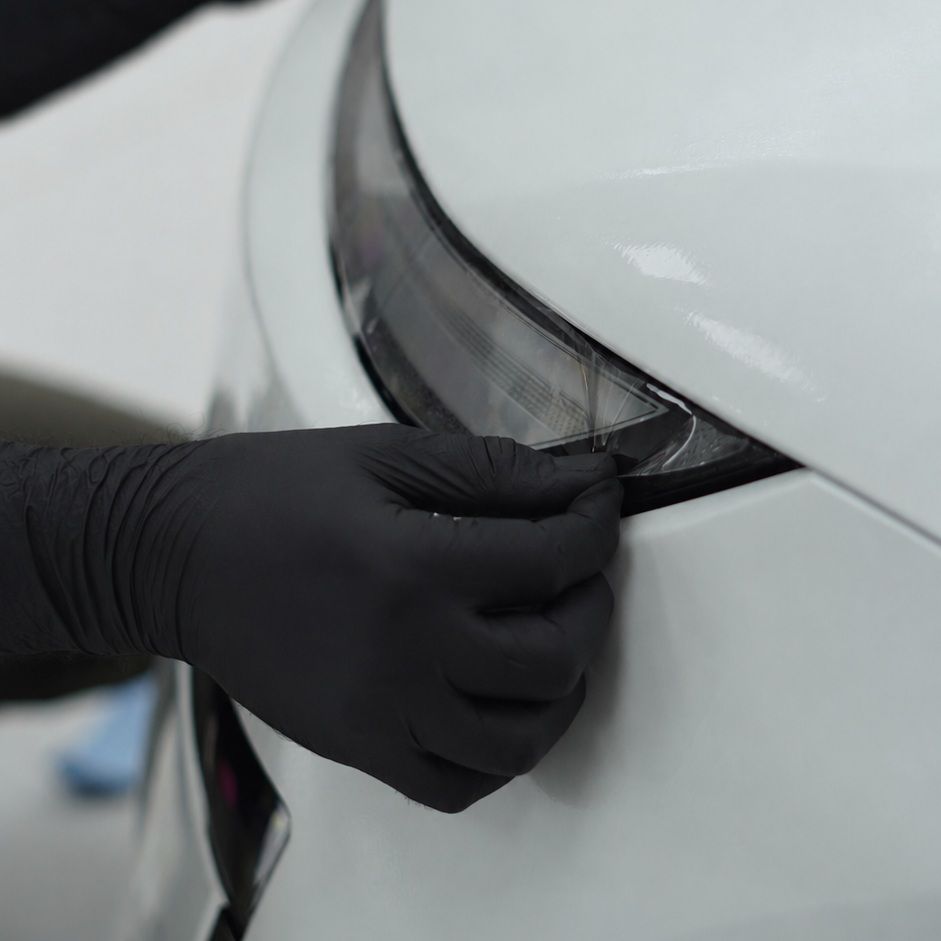
Get your PPF checked or replaced
Send your model and a few photos on WhatsApp and the team will reply with a quote.
What causes PPF edges to lift?
Edge lifting usually starts where the film is under the most stress or exposed to the most force. Once an edge opens, dirt and water get under it and the lift tends to grow.
- Pressure washing too close to an edge, which can force water under the film.
- Impact or abrasion at a bumper corner, wheel arch or bonnet lip.
- Stressed film that was stretched too far around a complex curve.
- Contamination left on the paint during installation, which weakens adhesion at that point.
- Early washing before the adhesive has fully settled in the first days.
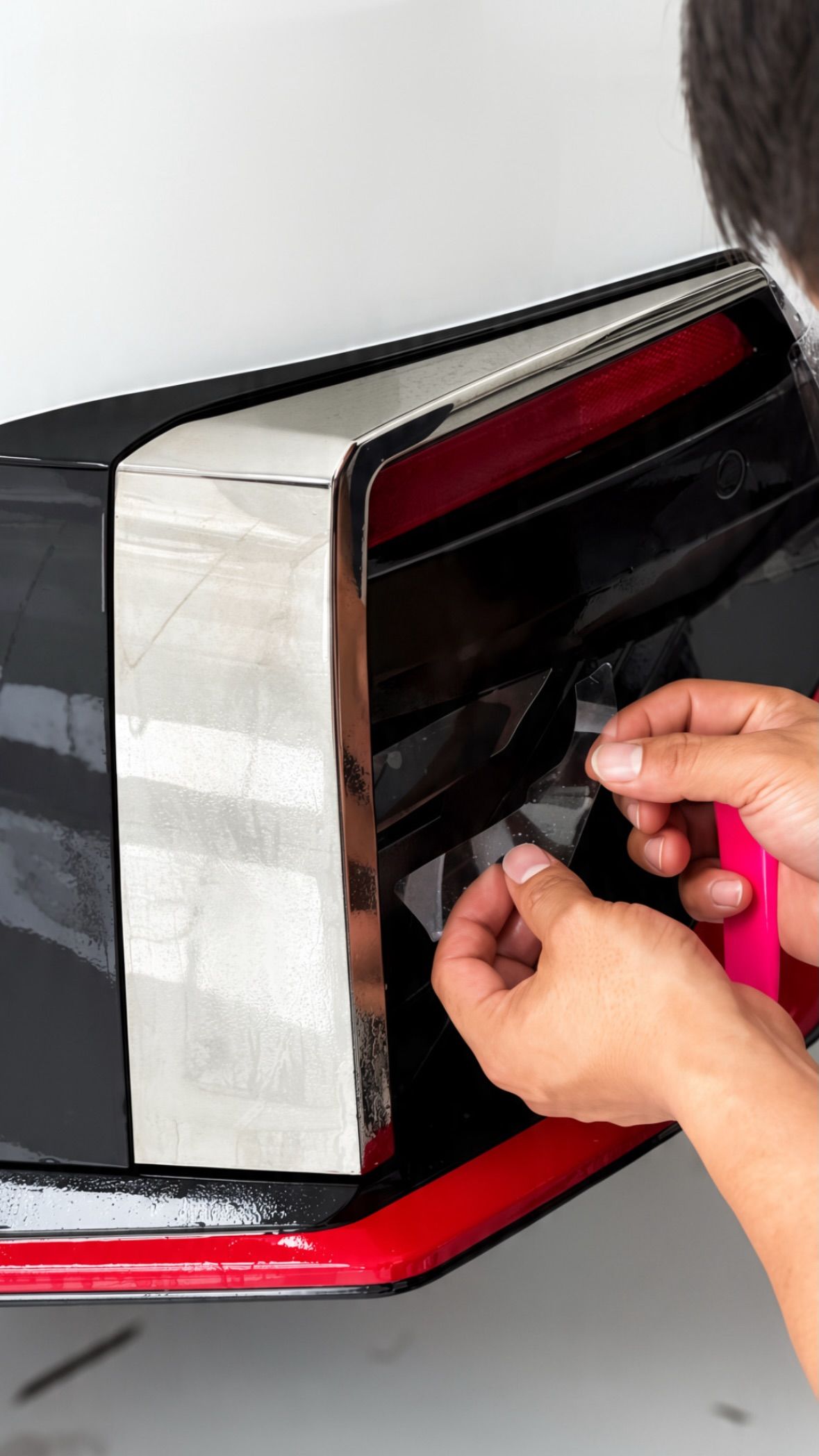
If an edge lifts, do not pull it, trim it or try to stick it down with glue. Photograph it and contact the installer. Many lifted edges can be cleaned and resealed, or the panel re-filmed, if they are caught early.
What causes PPF to peel or delaminate?
Widespread peeling or delamination is less common with premium film and needs a professional inspection to find the cause. Delamination is listed among the defects covered by the limited warranty on qualifying premium films.
Causes include adhesive or film defects, poor surface preparation, film applied over fresh or poorly bonded paint, or simply film that has reached the end of its life. A film that has been on a car for many years in Dubai sun may become brittle and harder to remove cleanly. Our guide to removing old PPF safely explains how it is taken off without damaging the paint.
Can paint come off with the film?
Healthy factory paint should not come off with properly removed film. When paint does lift, the cause is usually underneath: a previous repaint with weak adhesion, a touch-up, or clearcoat that was already failing.
That is why we check for previous repairs before installation and record them. A repainted panel needs extra caution during installation and removal. Our articles on clearcoat failure and protecting freshly painted panels explain why paint condition and curing matter before film goes on.
What does a PPF warranty usually cover?
A manufacturer warranty usually covers defects in the film itself, not damage from use. Premium gloss PPF and satin PPF carry a 10-year warranty against yellowing, cracking, blistering and delamination when professionally installed. STEK lists a 12-year warranty for its DYNO range, with conditions.
Warranties generally do not cover rock damage, accidents, scratches or damage from improper care, and they require proof of purchase. Keep these documents safe:
- Invoice or receipt from the installer.
- Warranty card or registration showing the exact film line.
- Vehicle registration details.
- Dated photos of the problem and of the car at handover if you have them.
Always confirm terms for your exact product on the manufacturer’s warranty page or with the manufacturer. Our PPF warranty guide covers the claim process.
How do you prevent PPF yellowing, peeling and lifting?
Most problems are prevented by good installation and sensible care. Choose a premium film, a careful installer and a washing routine that respects the edges.
- Wait a few days after installation before the first wash, and follow the installer’s instructions.
- Hand wash with a pH-neutral shampoo and clean mitts.
- Keep pressure-washer nozzles well away from film edges and never aim directly at them.
- Remove bird droppings, sap and bug residue quickly before they stain the top coat.
- Avoid harsh solvents, strong degreasers and abrasive polishes unless they are approved for film.
- Report any lifting, cloudiness or damage early with clear photos.
A coating made for film can make washing easier. See our guide to ceramic coating over PPF, and our article on how long PPF lasts in Dubai.
How does Apex Detail Studio assess a PPF problem?
When a car comes in with yellowing, lifting or peeling film, we work out the cause before recommending anything.
- Photos and history. We note the film brand, age, installer and how the car has been washed.
- Clean and inspect. The film is washed and decontaminated so dirt is not mistaken for discolouration.
- Edge and adhesion check. We look at edges, seams and relief cuts under studio lighting.
- Paint check. We look for previous repairs or weak paint under affected areas.
- Recommendation. Reseal, re-film one panel, or remove and replace, with warranty guidance where relevant.
Read about our paint protection film service for replacement and new installations.
What our PPF customers say
Frequently asked questions
Can yellow-looking PPF just be dirty?
Yes. Road film, staining and old wax can give film a yellow or dull cast, especially on white cars. A professional wash and film-safe decontamination should be tried before deciding the film has discoloured.
Should I trim a lifting PPF edge myself?
No. Cutting or pulling the edge can make the lift worse and may affect a warranty claim. Photograph it, keep pressure washers away from it and ask the installer to inspect it.
Is all PPF peeling covered by warranty?
No. Manufacturer warranties cover defects such as delamination when the film was professionally installed, but not damage from impacts, accidents or improper care. The cause and the exact warranty terms have to be assessed.
Can PPF be polished?
Only with film-appropriate products and methods. Aggressive compounds and heavy machine polishing can damage the top coat, so polishing should be left to a professional who works with film.
What evidence helps a PPF warranty claim?
The invoice, the warranty card or registration showing the film line, the vehicle registration, clear photos of the problem and a record of how the car has been maintained. Contact your installer first.
How long does premium PPF last in Dubai?
Premium films are warranted for many years, such as 10 years on premium gloss PPF and satin PPF when professionally installed. Real life depends on installation, sun exposure, washing habits and how the car is used.